Rebounding to 51% Growth During Economic Downturn
- Chris Hug
- Feb 21, 2025
- 4 min read
Updated: Jan 13
At-a-glance
B2B SaaS scale-up, CHF 3.2M ARR, 80+ employees.
Challenge: Growth dropped from 63% to 12% despite replacing sales team twice
Approach: 15-month transformation (6 months to first results) across offering, pricing, and GTM
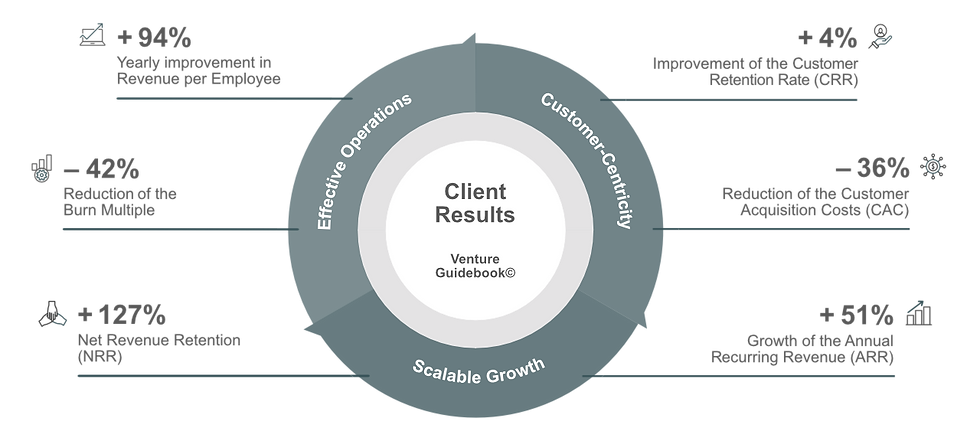
Results: ARR grew 51% to CHF 4.8M in a year, burn multiple dropped from 4.1 to 1.7, revenue per employee increased 94%.
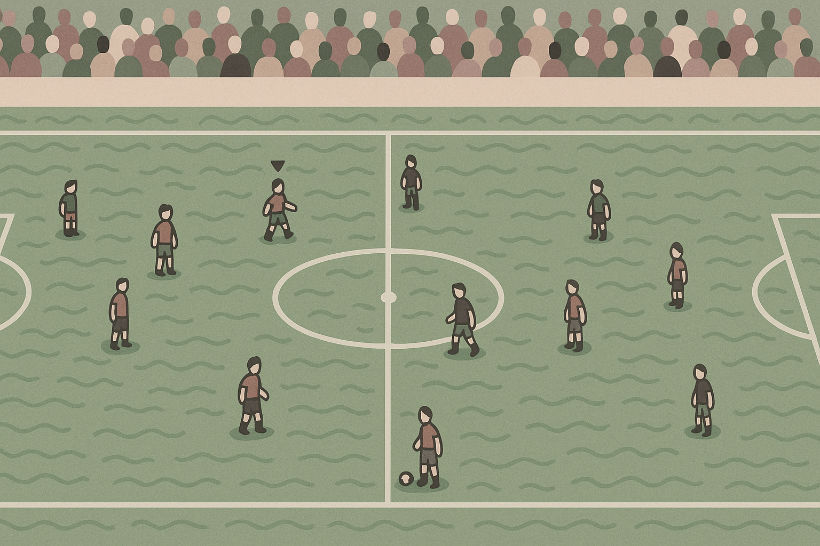
As in sports, execute as a strong system from goaltending to offense.
The board meeting nobody wanted
The CEO looked at the Q3 numbers. Growth rate: 12%. Six months earlier: 63%.
Burn multiple: 4.1. Investors were asking questions.
They'd tried everything. Lead generation agencies. Sales enablement programmes. They'd replaced members of the sales team twice. Nothing stopped the decline.
One sales rep finally said it plainly: "It's become very hard to sell these offering packages.".
Fast growth, then friction
During the pandemic, everything worked.
HR teams needed a solution to remotely manage candidate contracts. Law firms wanted to finalise reports. Procurement teams processed documents faster. The company rode the work-from-home technology boom to 80% growth rates in some quarters.
Then the economy shifted. Interest rates rose. Tech budgets tightened, and remote became the new normal.
The company's pivot attempts, which consumed months of internal focus. Didn't deliver change and Product-market fit, once strong, started eroding quietly.
Win rates dropped. Sales cycles lengthened. The pipeline filled with deals that never closed.
The real problem wasn't sales execution
When we ran the product-market fit diagnosis, the gaps became clear within weeks.
Pricing was too low for the value delivered. Customers would pay more. The company wasn't asking.
The offering was too rigid. Competitors offered flexible monthly plans. This company locked customers into annual corporate contracts. When a team didn't need the solution for a few months, they still paid full price.
Self-service didn't exist. Small teams wanted the product to be available on an ad hoc basis when needed. It wasn’t. Every deal, even below CHF 1000.-, required a sales call. Sales reps spent time on low-value deals while high-value accounts waited.
Priorities were unclear. Sales chased any deal. Product built features customers asked for without knowing which segments mattered most. Nobody agreed on which customers, markets, or segments to prioritise, because in the past, so many had worked.
Delivery was misaligned. Customer touch-points, handovers, and responsibilities weren't clear. Teams worked around disconnected processes.
The diagnosis showed gaps across target personas, segments, pricing, and business model. Not a sales problem. A product-market fit problem.
The work: three Leadership Plays over 15 months
The teams worked together with our system and facilitation to identify root causes and define OKRs aligned across teams. Then moved through PMF Diagnosis, Offering redesign, Market Positioning, and back to Customer-Centricity.
The diagnosis phase took a couple of weeks. The redesign of the product packaging and pricing took three months. Transition: six months before the results started to show.
What changed:
Pricing and packaging redesigned. New product plans matched what different personas actually needed. Higher prices reflected real value. Average contract value increased from CHF 6’500 to over CHF 9’000.
Product-led growth launched. Self-service went live for smaller customers. They could start, pause, and resume monthly plans as needed. No sales calls for low-value deals. Sales focused on accounts worth CHF 15'000+.
As the Chief Product Officer described it: "Self-service with product-led growth became our fastest-growing product sector with the best margins."
Customer experience mapped by segment. Touchpoints redesigned across different product tiers. Handovers between teams clarified. Responsibilities aligned. Processes that had evolved organically were intentionally rebuilt.
Segmentation sharpened. Features matched specific personas. HR teams got what they needed. Law firms have different capabilities. No more one-size-fits-all.
The sales team noticed the difference quickly: "The new offering with product, service, and price plans better meets customer demand. We're closing higher-value deals."
The team executed everything themselves. They built internal capability, not dependency on consultants.
This wasn't easy
The full transition required significant change across the organisation.
Product plans changed. Pricing changed. Sales motions changed. Customer success and service workflows changed. The insights from system and facilitation led to significant change.
Some team members resisted and were upset. Raising prices for existing customers felt risky. Moving small accounts to self-service meant losing commission on those deals.
A few good people left. They were talented, but not everyone agreed to the changes and wanted to work differently than they had for years. That hurt.
The migration challenge
Existing customers needed to be moved to the new structure. You can't flip a switch on pricing and packaging overnight.
For operational efficiency, old product plans needed to be decommissioned. But customer migration was complex, some would pay more than before.
Pushback came. Communication was critical. The team prepared for every eventuality and tough conversation. They explained value, showed what customers gained, and gave transition options.
The technical migration itself was complex. The team brought in a third party to handle HubSpot configuration for the new sales-led and customer-success-led motions.
The turning point
Six months in, the new financial results arrived.
Good decisions had been made.
The results yearly results:
What made the difference
Not fixing sales. Not replacing people. Not running more lead generation campaigns.
Looking at the entire system: who you serve, what they need, how you package value, what you charge, and how they buy.
When product-market fit slips, execution fixes won't save you. You need to diagnose why the fit weakened and rebuild it systematically.
That's harder than hiring a sales trainer. But it's what actually works.
About this story
All details are from a real engagement. Company and individual identities are anonymised to protect competitive confidentiality. We work with clients on sensitive strategic challenges and respect their privacy.
Facing similar pressure?
Growth stalled. Investors asking questions. You've tried the obvious fixes.
Maybe it's not an execution problem. Maybe your product-market fit shifted and you're still working from the old playbook.